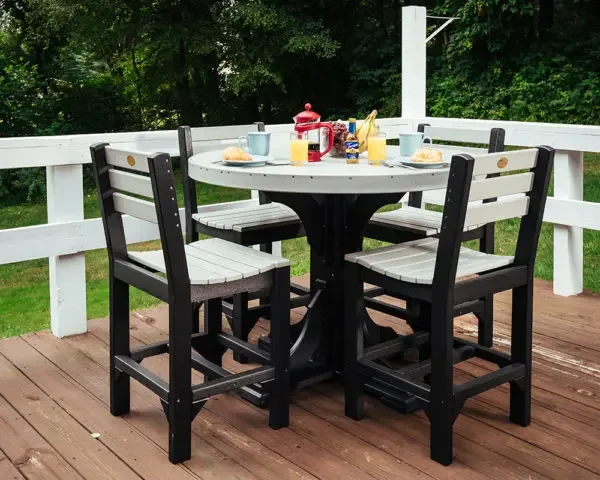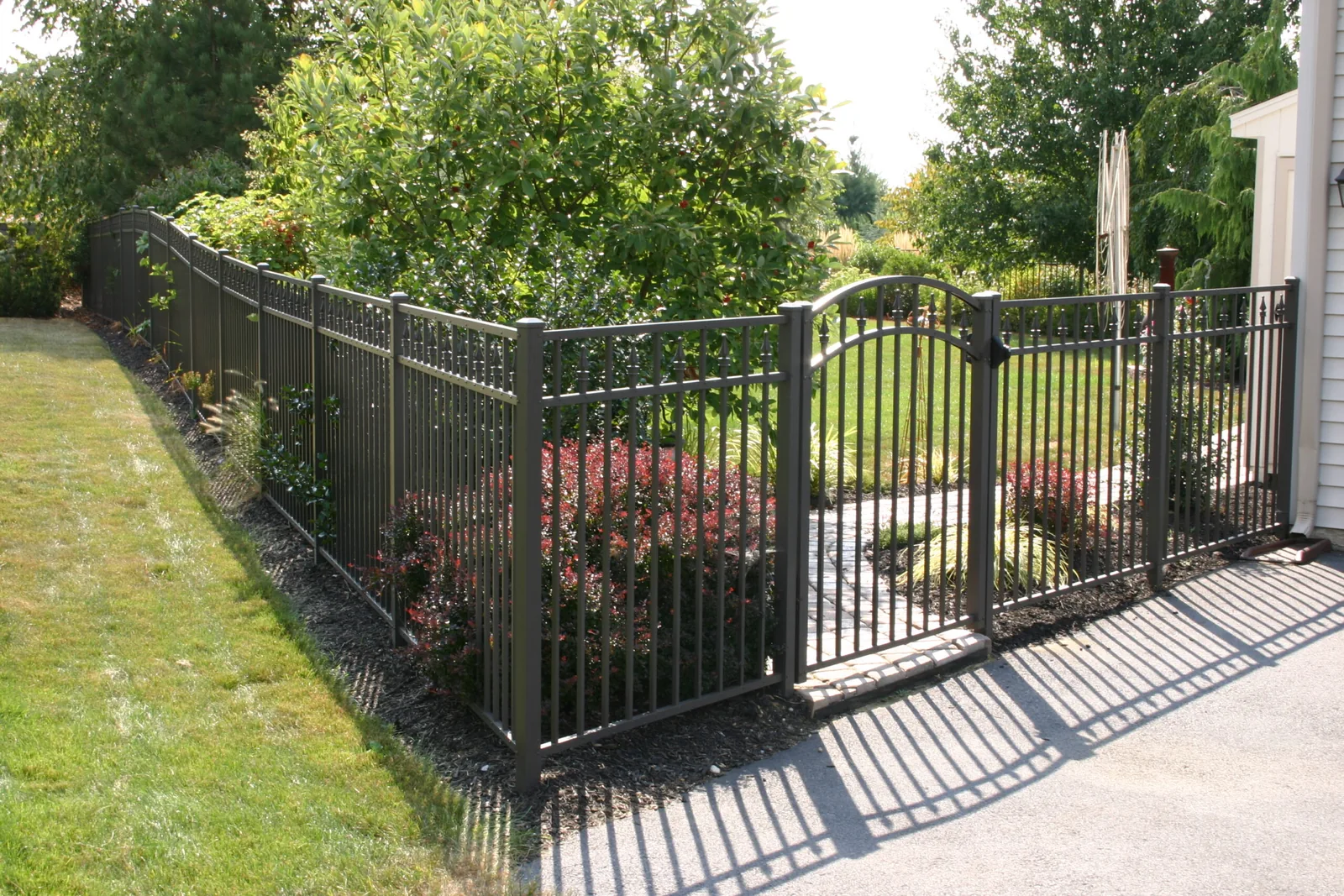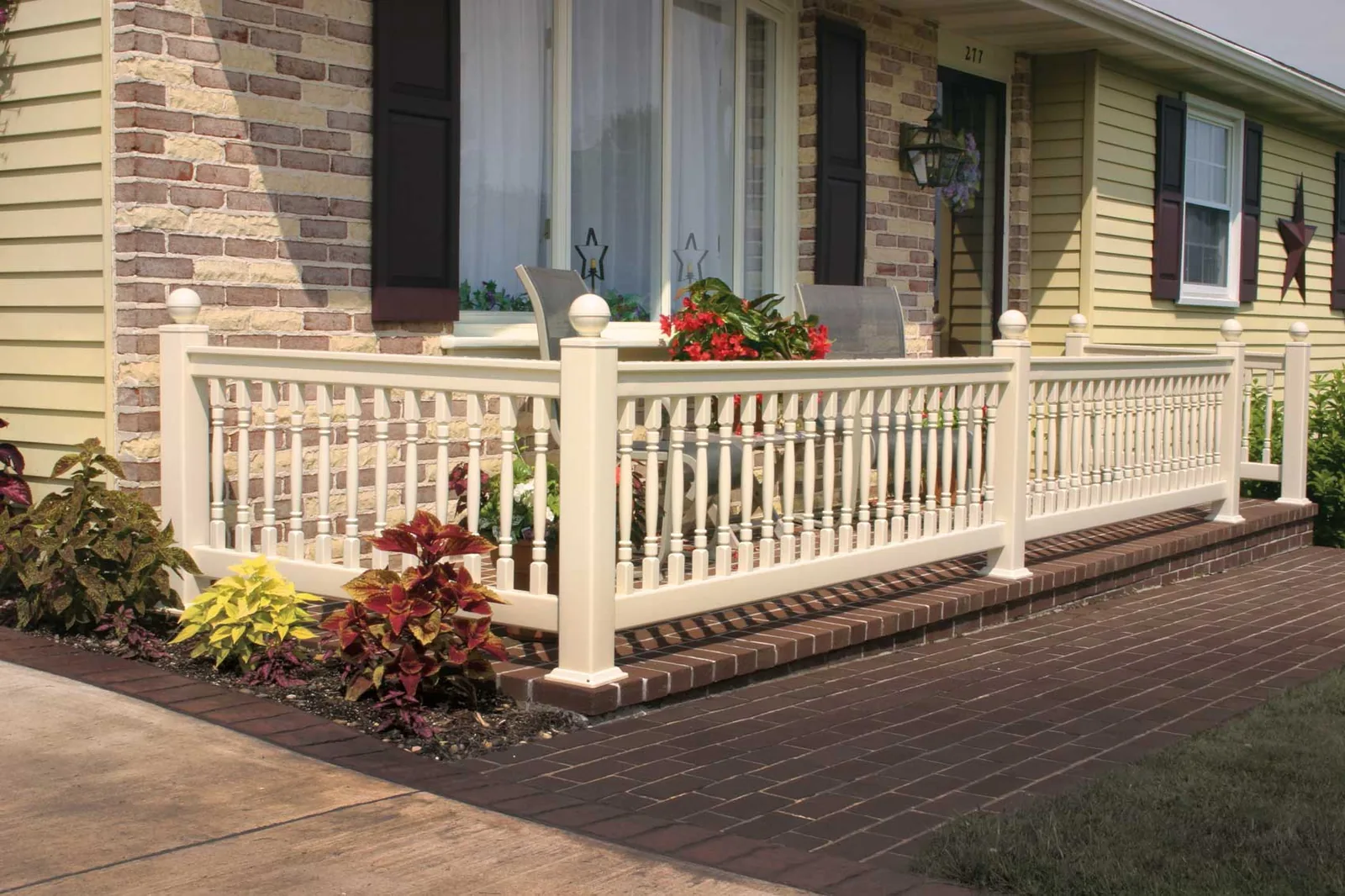

A clean, well-maintained backyard is safer, more inviting, and easier to enjoy. Regular upkeep also helps protect your deck, patio, railings, furniture, and landscaping from preventable wear and tear.
Backyard maintenance does not have to take up your entire weekend. By keeping up with a few routine tasks, you can prevent weeds, dirt, overgrown plants, and weather-related damage from becoming larger problems.
Sweep Walkways and Outdoor Surfaces
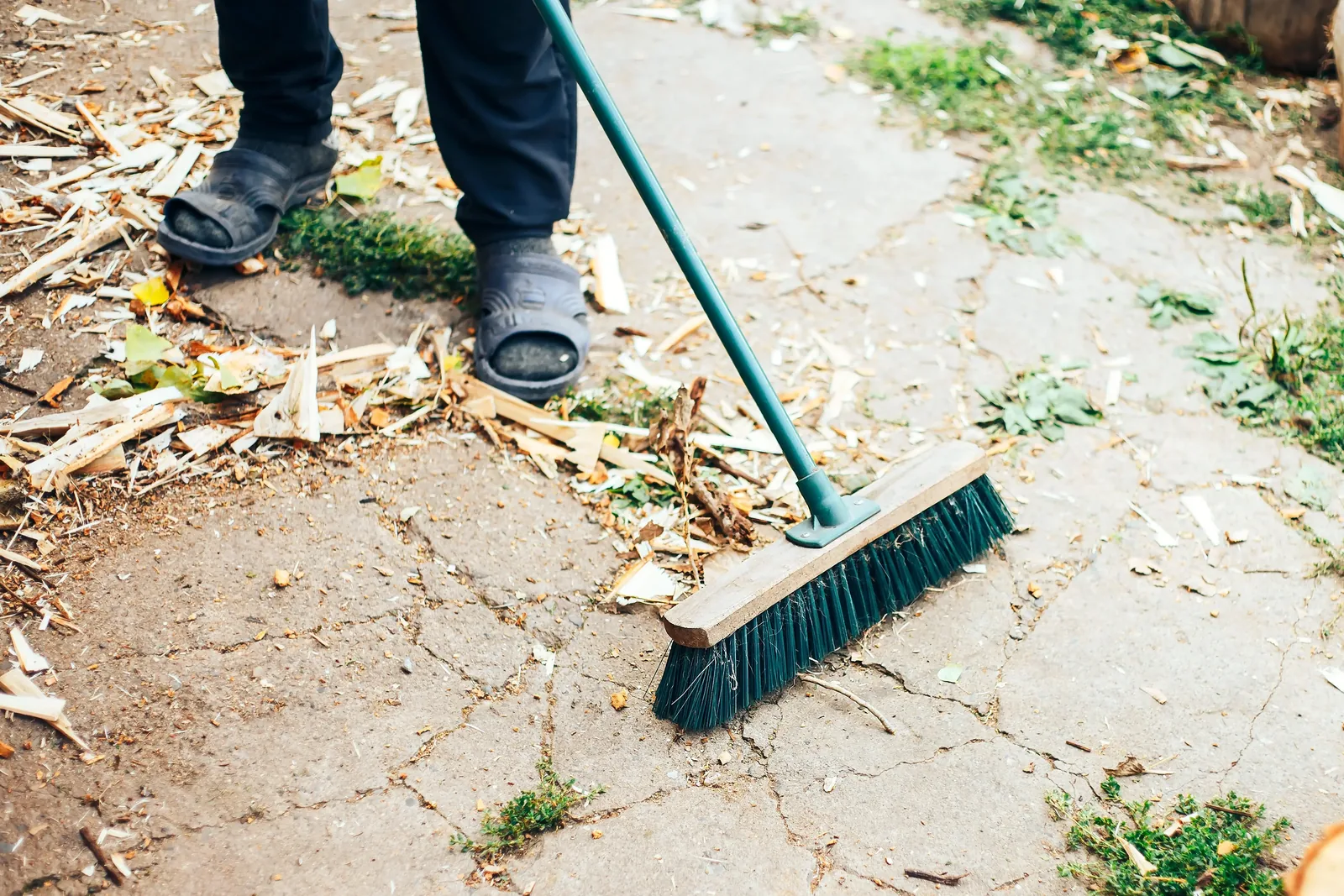
Regularly sweep your deck, patio, porch, and walkways to remove leaves, dirt, and other debris. Keeping these areas clean improves their appearance while reducing slipping hazards.
Sweeping also prevents organic material from decomposing on outdoor surfaces, where it may trap moisture and contribute to stains, mold, or mildew. Pay special attention to corners, spaces between deck boards, and areas around outdoor furniture where debris tends to collect.
Use a broom or leaf blower to make the job easier. If you have vinyl decking, railings, or outdoor furniture, gentle cleaning can help prevent dirt and grit from scratching or dulling the surfaces.
Remove Weeds and Maintain Your Landscaping
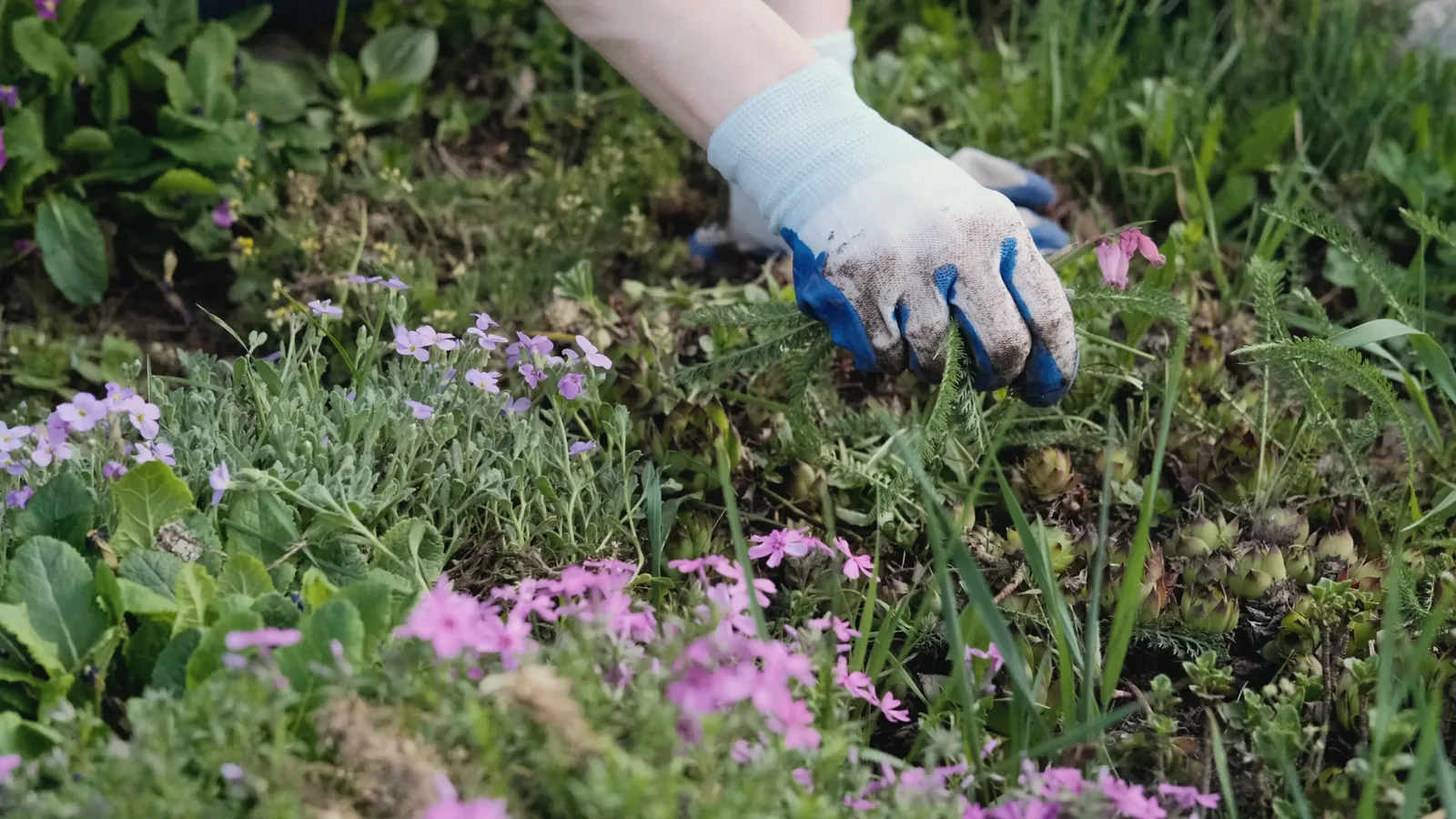
Weeds can quickly make an otherwise attractive backyard appear neglected. Pull them regularly before they become established, making sure to remove as much of the root as possible. A garden tool can make removing large or stubborn weeds easier.
In addition to pulling weeds, keep your lawn, bushes, trees, and other plants trimmed. Routine mowing promotes an even lawn and keeps the backyard looking cared for. Pruning dead, damaged, or overgrown branches encourages healthy plant growth and helps prevent plants from blocking walkways or crowding nearby landscaping.
Seasonal pruning may also reduce the risk of weak branches breaking during storms. When trimming trees, bushes, and shrubs, consider each plant’s needs to avoid pruning at the wrong time of year.
Water Plants Based on Their Needs

Plants need consistent moisture to remain healthy, especially during hot or dry weather. However, not every plant requires the same amount of water. Grass, garden beds, shrubs, and potted plants may all have different needs based on their variety, location, and soil conditions.
Early morning is often the best time to water because temperatures are cooler and less water is lost to evaporation. Water deeply enough to reach the roots rather than only wetting the surface.
Check recent rainfall and soil moisture before watering. This helps prevent both underwatering and overwatering, which can damage plants and contribute to drainage problems.
Pick Up Debris and Outdoor Clutter
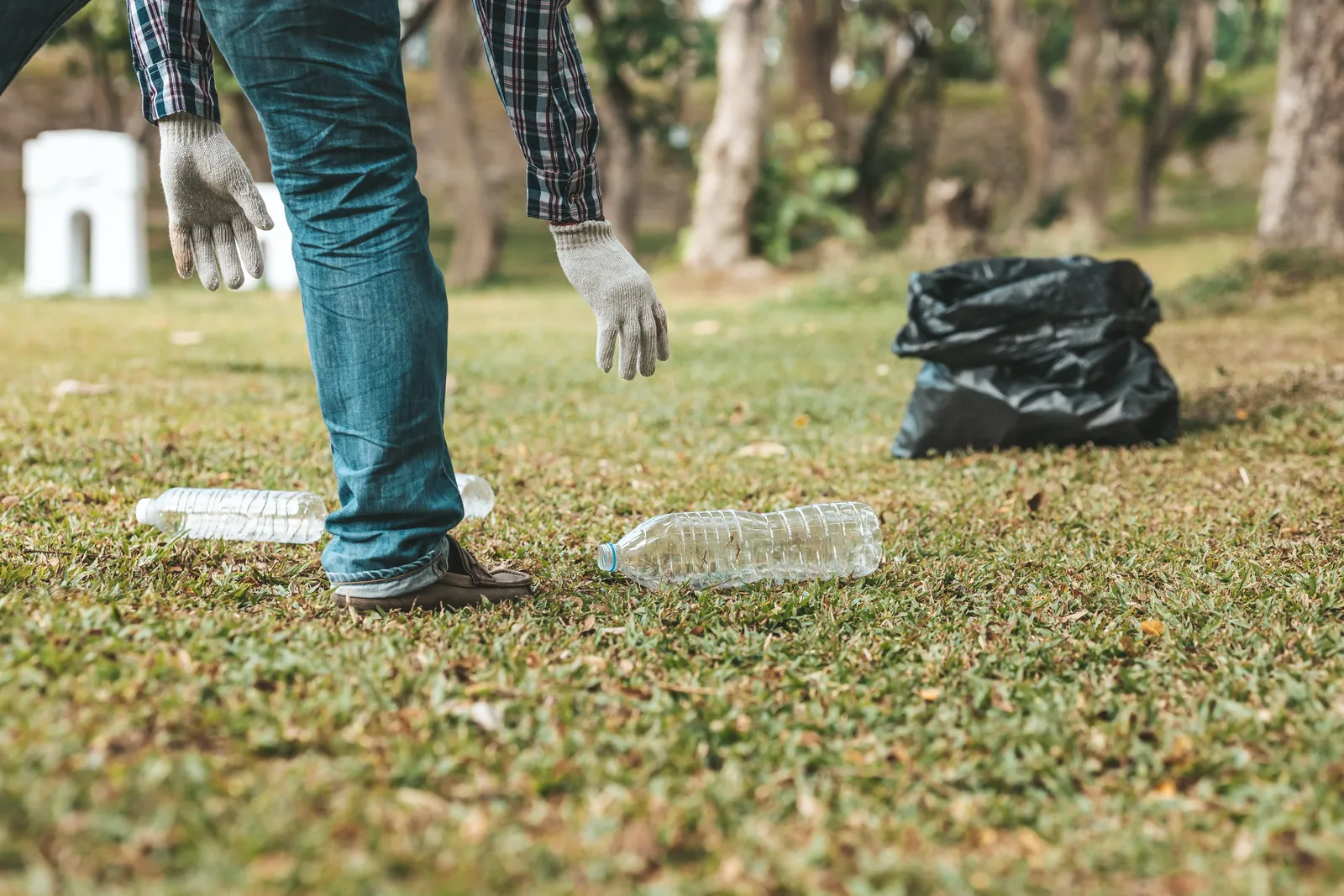
Fallen branches, pet waste, toys, tools, and windblown trash can make your backyard look cluttered. These items may also create tripping hazards or pose a risk to children, pets, and local wildlife.
Walk through your yard regularly and remove anything that does not belong. Use a wheelbarrow or garden cart when collecting heavier branches or cleaning a larger property.
Leaves, grass clippings, and small branches may be suitable for composting. A properly maintained compost pile keeps some organic material out of the trash while producing nutrient-rich compost that can be used in garden beds.
Deep-Clean Outdoor Features When Needed
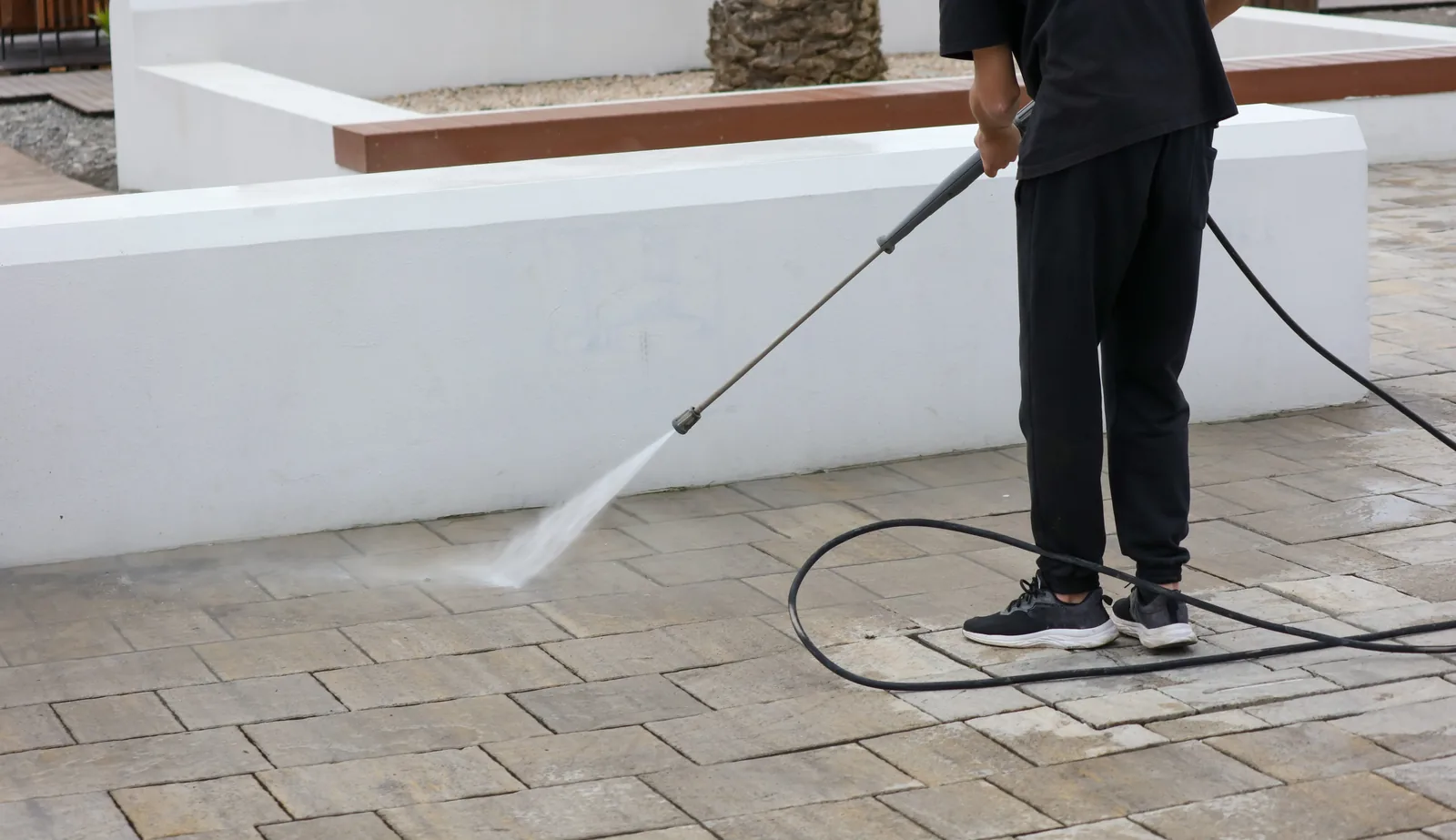
Routine sweeping handles loose debris, but outdoor surfaces occasionally need a more thorough cleaning. Dirt, pollen, algae, and mildew may build up on decks, patios, fences, railings, and outdoor furniture.
Choose cleaning products and methods that are safe for each material. Follow the manufacturer’s instructions for vinyl, composite, wood, metal, and other outdoor surfaces. Pressure washing may be appropriate for certain surfaces, but excessive pressure can damage wood, vinyl, composite decking, and surface coatings.
Remember to clean and inspect your garden tools as well. Removing dirt, sharpening blades, and oiling moving parts can help tools perform better and last longer.
Inspect and Weatherproof Outdoor Features
Your backyard is exposed to sunlight, rain, snow, wind, and changing temperatures throughout the year. Regular inspections can help you identify damage before it becomes a costly repair.
Check decks, fences, railings, patios, and outdoor furniture for:
- Loose boards or fasteners
- Cracks or splintering
- Rust and corrosion
- Fading or peeling finishes
- Mold, mildew, or moisture damage
- Unstable railings
- Drainage problems
Wood surfaces may need to be stained or sealed periodically to reduce moisture damage. Metal features may require rust-resistant treatments, while outdoor furniture can benefit from UV-resistant covers or coatings. Always use products designed for the material you are protecting.
Keeping gutters and drainage areas clear is another important part of outdoor maintenance. Proper drainage directs water away from your house, landscaping, and outdoor structures.
Create a Manageable Backyard Maintenance Schedule

Dividing backyard care into weekly and seasonal tasks can make maintenance feel more manageable.
Weekly tasks may include:
- Sweeping decks, patios, and walkways
- Picking up debris and pet waste
- Pulling visible weeds
- Mowing the lawn as needed
- Checking soil moisture and watering plants
- Putting away tools, toys, and outdoor clutter
Seasonal tasks may include:
- Pruning trees and shrubs
- Deep-cleaning outdoor surfaces
- Inspecting decks, fences, and railings
- Cleaning gutters and drainage areas
- Sealing or weatherproofing appropriate surfaces
- Repairing damage caused by storms or winter weather
Enjoy a Cleaner, More Inviting Backyard
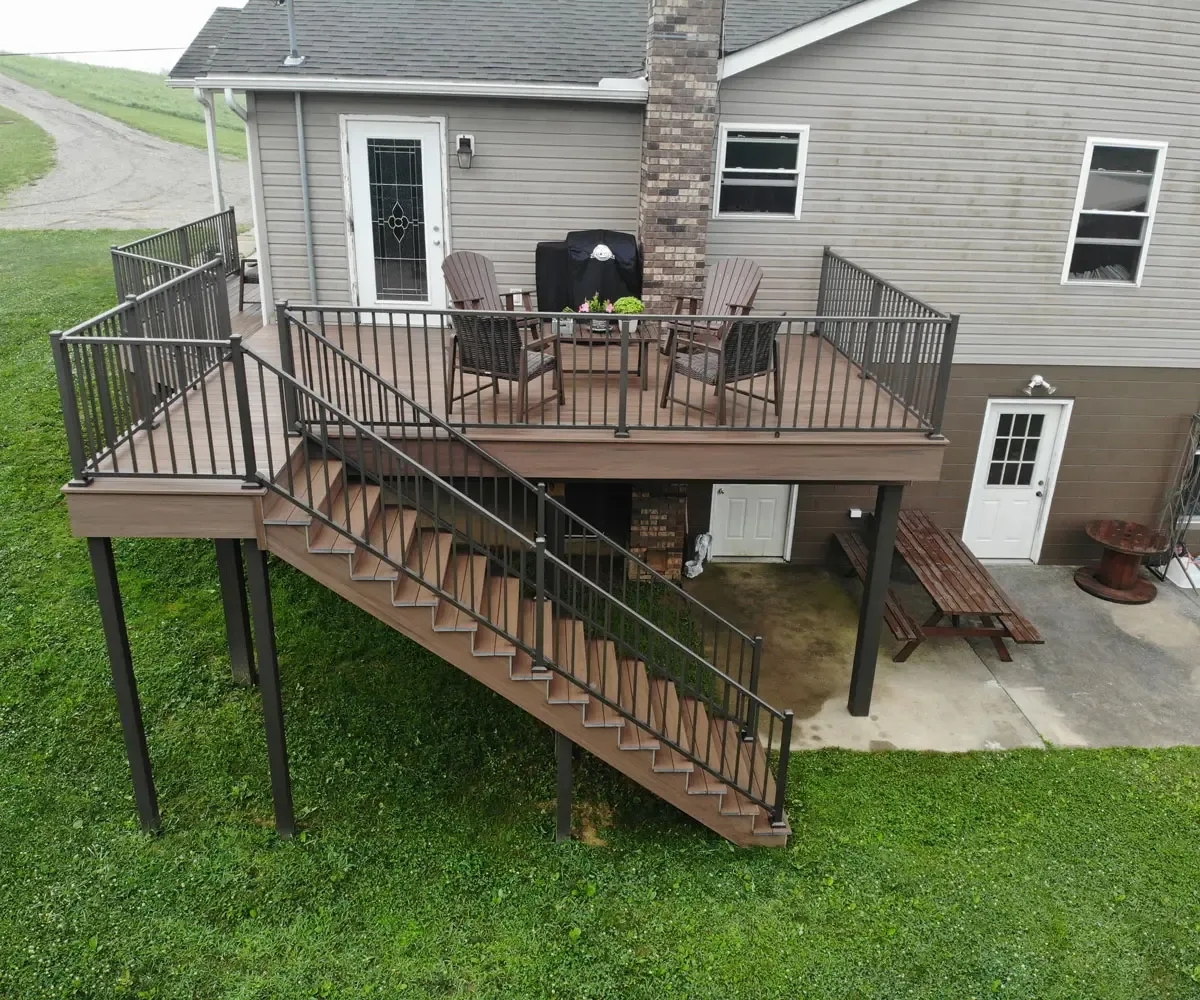
Maintaining your backyard is an ongoing responsibility, but small efforts can make a noticeable difference. Regular cleaning, landscaping, watering, inspections, and weatherproofing help create an outdoor space that looks attractive and functions well.
With a simple maintenance schedule, you can spend less time dealing with preventable problems and more time relaxing, entertaining, and enjoying your backyard.